- Day Trips from Hurghada
- Day Trips from Makadi Bay
- Day Trips from Safaga
- Day Trips from Sahl Hasheesh
- Day Trips from Soma bay
- Egypt Day Tours
- Hurghada Desert Safari Trips
Mons Claudianus Tour: Exploring Ancient Roman Stone Works
The journey to Mons Claudianus begins with a 05:00 am hotel pickup in a rugged 4×4 vehicle.
Nestled deep within the Eastern Desert, these expansive granite quarries represent some of the most significant archaeological sites in the region, first brought to modern attention by explorers Wilkinson and Burton in 1823.
Sunrise and the High Desert Journey
Your adventure kicks off with a breathtaking stop at the top of a desert peak to witness the sunrise over the horizon.
Following this, the drive continues for approximately 40 minutes to a solitary Acacia tree, a natural landmark in the vast arid landscape.
Once you reach the archaeological site, you will have a designated break to enjoy breakfast before diving into the historical exploration of the ruins.
The Legacy of Mons Claudianus
Active primarily between the 1st and 3rd centuries AD, this quarrying settlement served as a vital industrial hub for the Roman Empire.
Positioned in the Red Sea mountains, the site is located roughly 20 miles off the primary road connecting Hurghada and Qena.
It functioned as a remote outpost, providing the empire with high-quality stone while maintaining a complex social structure far from the Nile.
Architectural Wonders and Site Highlights
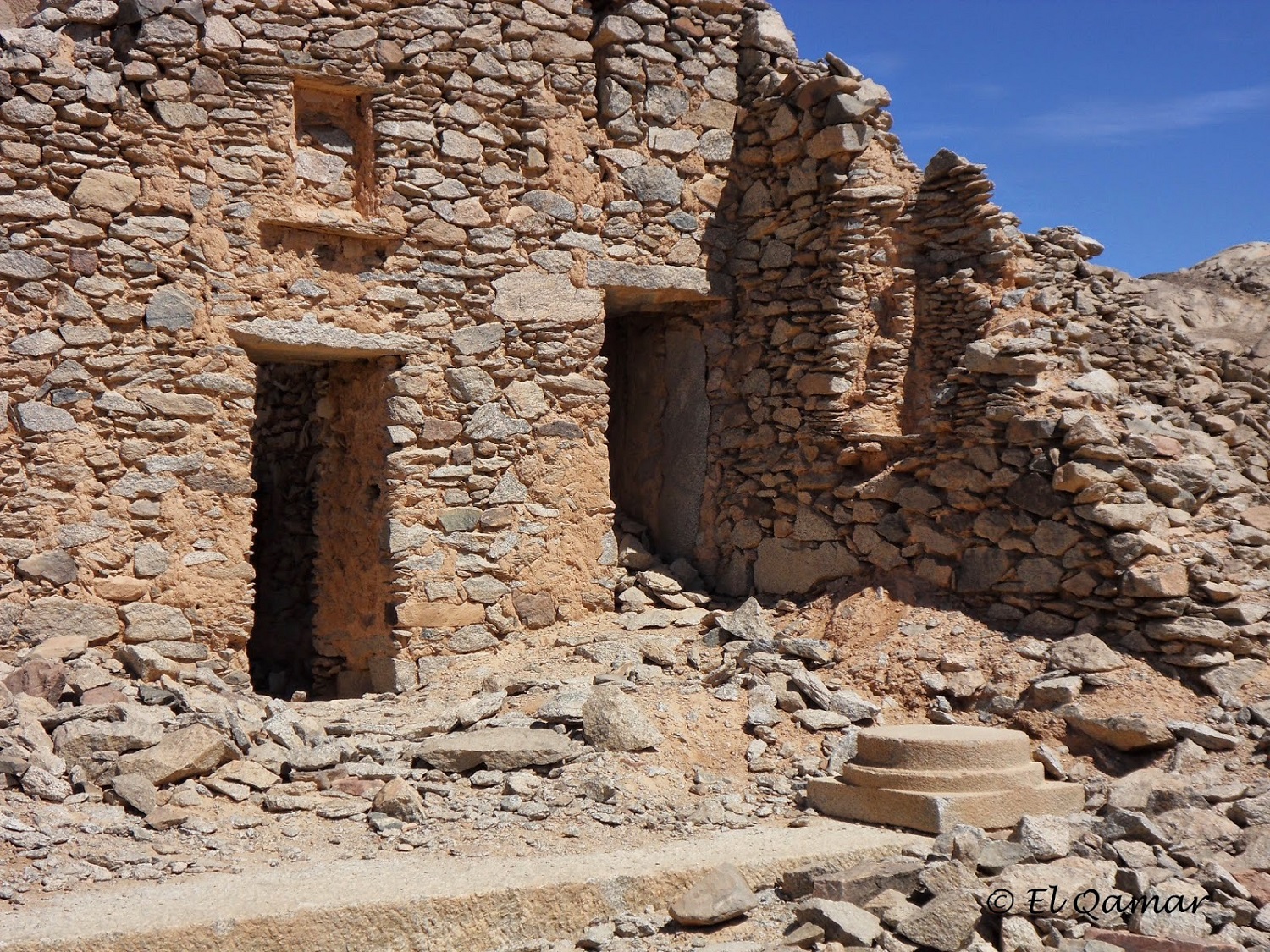
The site remains remarkably well-preserved, showcasing a variety of Roman engineering feats. Visitors can observe massive stone columns, basins, and a fractured bathhouse scattered across the terrain.
Many structures, including the fortified camp, living quarters, workshops, and animal stables, still stand at their original heights.
One of the most intriguing features is the skeletal remains of an unfinished temple commissioned by Emperor Hadrian.
The entire complex was designed like a fortress, protected by thick walls and watchtowers to house a population of roughly 1,000 residents, including laborers and military guards.
You will learn how ancient workers extracted massive blocks from high altitudes and lowered them to the valley floor for transport.
Imperial Stone and Roman Infrastructure
The Roman Road used for transporting these stones is still visible today, peppered with ancient rest stations located a day’s travel apart.
The dark grey granite sourced here was highly prized; it was used to construct the iconic porch of the Pantheon in Rome and the Basilica Ulpia within Trajan’s Forum.
Furthermore, these stones were shipped across the sea to decorate the Flavian Palace and the grand Baths of Caracalla.
Daily Life in the Desert Outpost
Excavations conducted in the late 20th century unearthed over 9,000 ostraca (inscribed pottery shards).
Written in Greek and Latin, these shards offer a rare glimpse into the daily routines of the men, women, and children stationed here. The records categorize the inhabitants into four distinct groups:
- Military personnel and high-ranking officials.
- Master craftsmen and skilled laborers.
- Unskilled laborers and general staff.
- Families, including women and children.
Financial records reveal that workers at this site were paid exceptionally well, earning nearly double the wages of those in the Nile Valley.
This “danger pay” compensated for the isolation and harsh conditions of the desert.
Cuisine and Survival
Historical evidence suggests a surprisingly diverse diet for such a remote location. Archaeologists found traces of 55 different plants and 20 types of animal protein.
Residents dined on Red Sea fish, imported Indian pepper, and even oysters. The discovery of specific seeds indicates that while much was imported, the Romans also cultivated lettuce, mint, and basil on-site to ensure workers received essential nutrients and vitamins.
After documenting the ruins and capturing unforgettable photos, you will be transported back to your accommodation in Hurghada.
Details
- Duration: 6 hours
- Tour Location: Eastern Desert, Hurghada
- Tour Availability: daily
- Pickup & Drop Off: All hotels in Hurghada, Makadi Bay, Soma Bay, Sahl Hasheesh
- Tour Type: Group / Private
- Language: English
- Wheelchair: Accessible
Tour Inclusions
- Expert Egyptologist guide with professional certification.
- All applicable service charges and local taxes.
- Official entry permits and site fees.
- Round-trip transportation via 4×4 Jeep.
- Comprehensive meal and beverage service.
- Bottled mineral water and refreshments.
Tour Exclusions
- International/domestic flights and entry visas.
- Individual spending money on extra activities.
- Customary tipping for staff.
- Services not explicitly mentioned in the itinerary.
Recommended Items to Carry
- Protective eyewear (sunglasses), a sun hat, and high-SPF sunscreen.
- Photography or video equipment.
- Sturdy walking shoes and breathable clothing.
Mons Claudianus Tour Price
| Number of Participants | Price Per Person | Total Tour Cost |
| 1 Person (Solo) | 300 euros | 300 euros |
| 2 People | 150 euros | 300 euros |
| 3 People | 105 euros | 315 euros |
| 4 People | 100 euros | 400 euros |
Kids 0-5 years = free of charge
Kids 5-11 years = 50% of the adult price
Note:
A supplement of 20 euros per person applies for departures from the following locations:
- Makadi Bay
- Soma Bay
- Safaga
- El Gouna
Booking
You can book your Mons Claudianus Tour via WhatsApp or email, and you will receive confirmation on the spot.
Kindly send us your hotel name, room number, and passport copies
WhatsApp: +201000852186
Book Now & Pay in Place
Book your favorite tour and pay on the day of the trip
Payment
You can pay in Egyptian pounds, $, € , or £.
Cancellation Policy
Cancellation is free up to 24 hours in advance
Morning cancellation is 50% from the price