Egypt offers a lot of archeological sites during your Egypt vacation packages to discover. In fact, Giza has a lot to offer such as Dahshour Pyramids, Memphis, and Saqqara Step Pyramid complex. Also, Cairo has a lot to offer such as Museums, Old Cairo, Islamic Cairo, Cairo Citadel and Arafet El Mamaleek. Besides, Egypt archeological sites in El Minya such as Tuna El Gabel, El Ashmounin, and Beni Hassan tombs.
Over all, Luxor has plenty of sights like Valley of the Kings, Valley of the Queens, Karnak temple, and Luxor temple. Then Aswan offers the magnifiecent Philae temple, Aswan High Dam, Abu Simbel and Edfu temple.
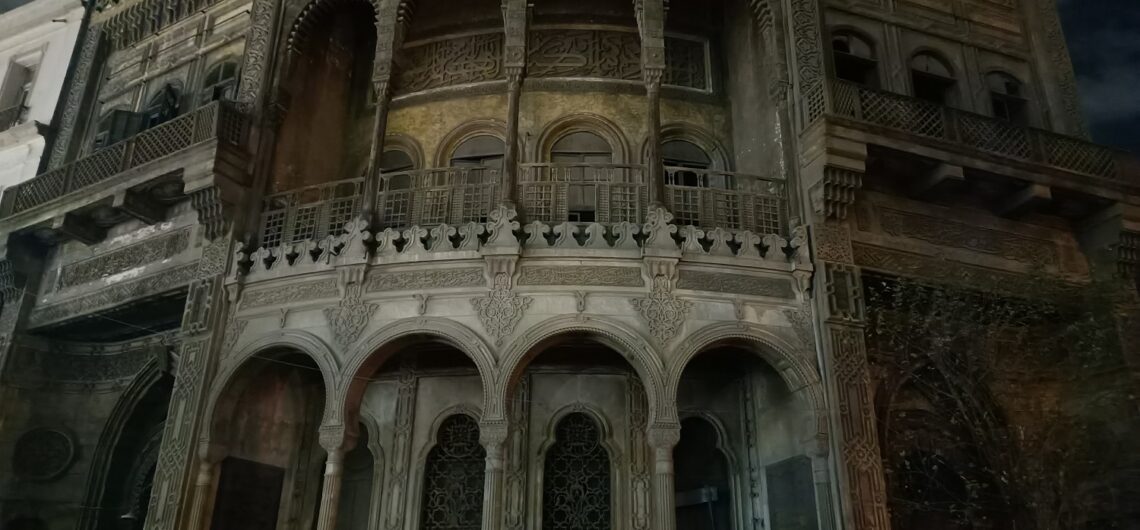
Sabil-Kuttab of Um Mohamed Ali Al-Sagir Cairo | history, facts, description The Sabil-Kuttab of Um Mohamed Ali Al-Sagir Cairo is one of about 300 Sabils were standing one day in Egypt. Sabils were charitable water fountains combined with Quranic schools known as Kuttab. In this article, we will explain about the history and the facts about one of the Ottoman Sabils and the Islamic architecture. Where is the Sabil-Kuttab of Um Mohamed Ali Al-Sagir? The Sabil (charitable water fountain) is located behind Al-Fath Mosque near Ramesses Square and at the beginning of El Gomhoureya street in downtown Cairo. When the Sabil-Kuttab of Um Mohamed Ali Al-Sagir was built? The Sabil-Kuttab of Um Mohamed Ali Al-Sagir was built in 1869 The purpose of building the Sabil of Um Mohamed Ali Al Sagir The purpose of building the Sabils in general were to supply water for free communities and passersby. Ziba Kaden built that sabil to be dedicated to the soul of departed loved son and to be Sadaqah jariyah. The Mamluk sultans were the first to take care of building the Sabils, and gave them their care, and endowed them with extensive endowments. Sultan Qaitbay decided that the water should be fresh and from the Nile, and must be available throughout the year, summer and winter, especially in the summer when water consumption increases. The Mamluk sultan Al Ghory ordered to pass one thousand dirhams monthly to buy fresh water from the blessed water of the Nile, distributed evenly throughout the days of the month. Moreover, the Sabils were not only to water the people but the animals also. The Mamluk era knew many endowed water basins to water the animals. The Oldest Sabil in Egypt? The oldest Sabil till now in Cairo is for Al-Nasser Muhammad ibn Qalawun which is
Sabil-Kuttab of Um Mohamed Ali Al-Sagir Cairo | history, facts, description The Sabil-Kuttab of Um Mohamed Ali Al-Sagir Cairo is one of about 300 Sabils were standing one day in Egypt. Sabils were charitable water fountains combined with Quranic schools known as Kuttab. In this article, we will explain about the history and the facts
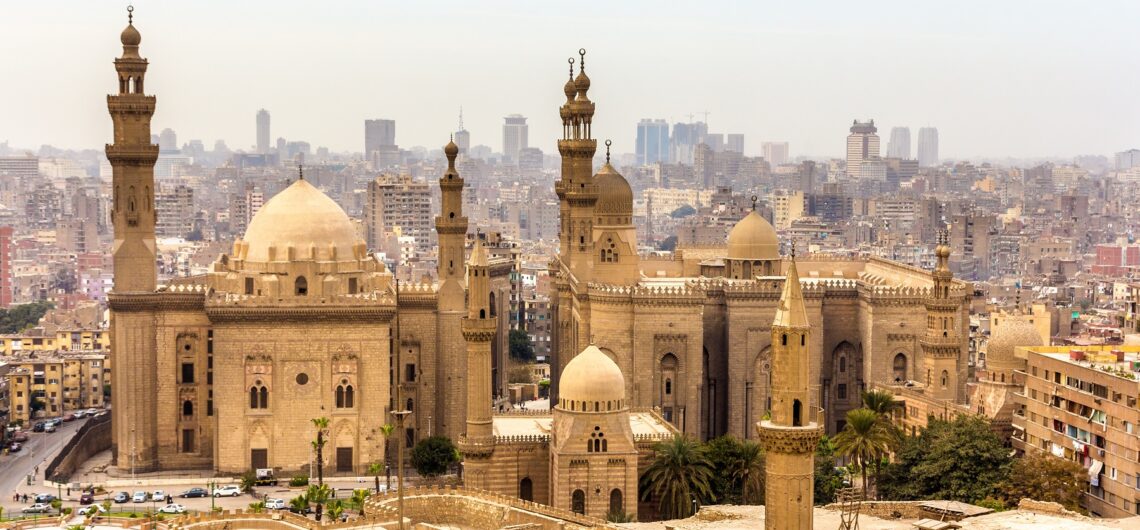
Sultan Hassan Madrassa and Mosque in Cairo, Egypt | Plan, Design, History, Facts About the mosque Sultan Hassan Madrasa and Mosque in Cairo Egypt is the jewel of Islamic architecture in the East, the most consistent and harmonious monument of Islamic Cairo. It represents the stage of maturity of Mamluk architecture. The mosque was built by Sultan Al-Nasir Hassan Ibn Al-Nasser Muhammad Ibn Qalawun during the era of the Bahri Mamluk rule of Egypt. Sultan Hassan mosque was considered and still is still considered one of the most impressive historic monuments in Cairo today. Sultan Hassan Madrassa and Mosque Location The mosque of Sultan Hassan is located in Salah al-Din Square in the historic district of Cairo, Egypt. Who was Sultan Hassan who built the mosque and the madrasa? December 18 of the year 1347 AD, Sultan Hassan took over the rule of Egypt, one of the most prominent Mamluk sultans. Sultan Hassan is considered the nineteenth king of Egypt from the Turkish Mamluks, and the seventh of the sons of Al-Nasser Muhammad Ibn Qalawun. He took over the Sultanate twice, one of them in the year 2347 when he was 13 years old at the time. Then he took over again in the year 1354 AD after being imprisoned for three years. Sultan Al-Nasser Hassan Ibn Al-Sultan Al-Malik Al-Nasser Muhammad Ibn Al-Sultan Al-Malik Al-Mansur Qalawun. Sultan Hassan began to act as a true sultan after the period of tutelage ended and he reached the age of majority. But after a few months, the scene that was frequently repeated in the Mamluk era occurred, which is the struggle of the princes over power. As a result, Sultan Hassan was arrested and imprisoned. His brother "Saleh", who was called the good king Salah al-Din Saleh followed him. Sooner, the war broke
Sultan Hassan Madrassa and Mosque in Cairo, Egypt | Plan, Design, History, Facts About the mosque Sultan Hassan Madrasa and Mosque in Cairo Egypt is the jewel of Islamic architecture in the East, the most consistent and harmonious monument of Islamic Cairo. It represents the stage of maturity of Mamluk architecture. The mosque was built