



Mastaba tomb of Mereruka at Sakkara The mastaba of Mereruka is situated in the north-east sector of the necropolis of Saqqara, just to the north of the pyramid of Teti, the first pharaoh of 6 Dynasty Mereruka; his chambers being given the letter “A”. The south west quarter was designed as a separate set of
Egyptian Tombs | Eternal houses for the dead people
Egyptian tombs are the places where the ancient Egyptians believed they will have everlasting life. these tombs for Pharaohs, rich people and common people when possible. they were in the form of Pyramids during the Old Kingdom, inside the mountain in the New Kingdom such as Valley of the Kings.
The Egyptian tombs and their contents are very good source of information about the ancient Egyptian believes. The tombs normally have burial chamber for the sarcophagus for the body of the king. Besides, many room and halls as storage places. Moreover, the walls of the Tombs were covered with religious book such as Book of Day, and Book of Night. These religious texts to help the dead person to go to heaven and protect him from evils.
the tombs contain almost everything the dead person will use in hereafter like the tomb of Tutankhamun.
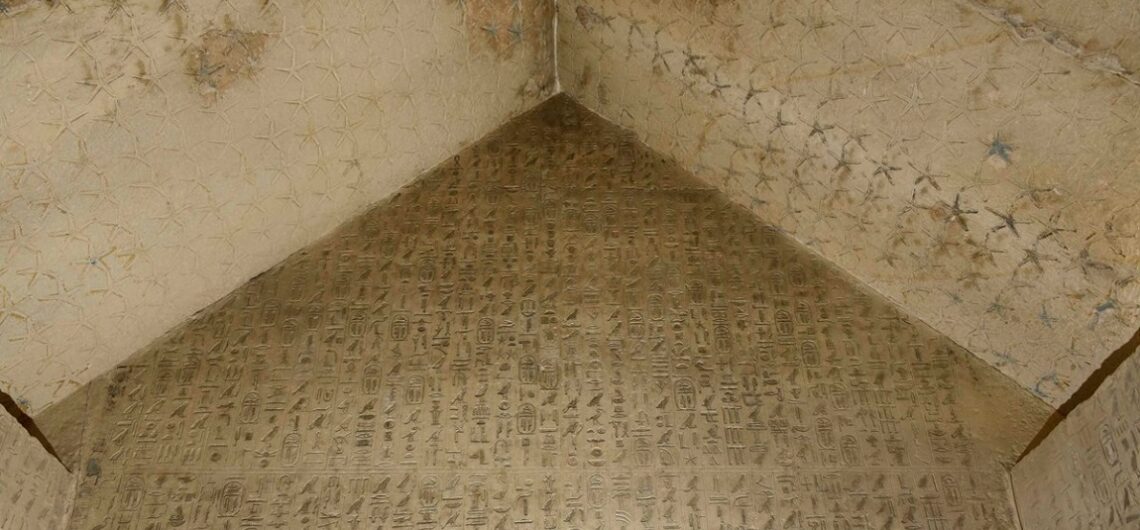
Ancient Egyptian Pyramid Texts The Pyramid Texts represent the oldest corpus of ancient Egyptian religious texts ever discovered. Carved into the subterranean walls of the Saqqara pyramids, these sacred hieroglyphs offer an unparalleled window into the Old Kingdom’s beliefs regarding death, divinity, and the eternal soul. What Are the Pyramid Texts? The Pyramid Texts are
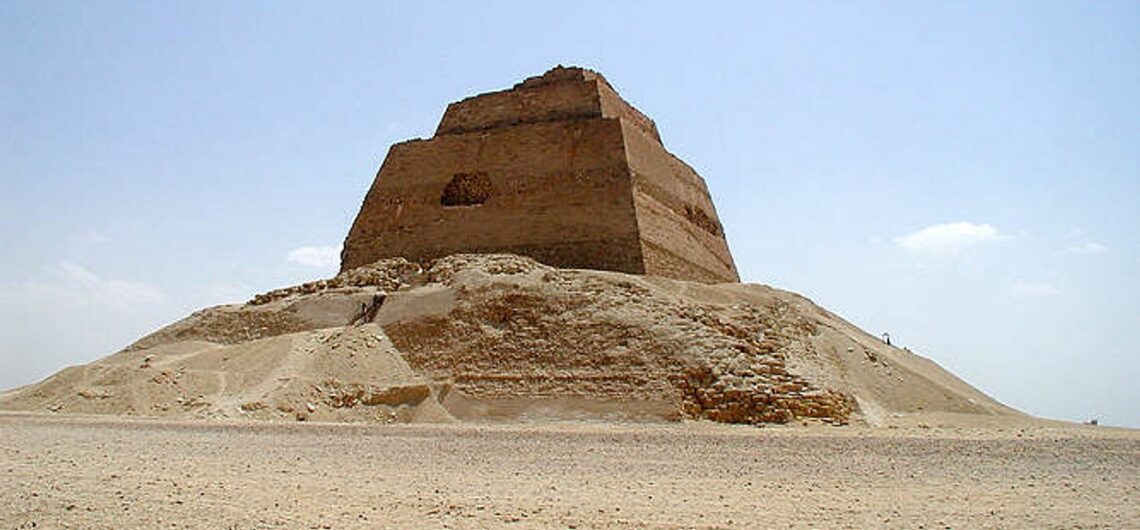
The Pyramid of Meidum: Egypt’s first “True” Masterpiece The Pyramid of Meidum represents a defining moment in the architectural evolution of ancient Egypt. Location Located on the desert’s edge near Beni Suef, this massive structure is often called the “False Pyramid” (el-haram el-kaddab). It isn’t just a tomb; it is a frozen snapshot of ancient
Tomb of Sennefer | TT96 the tomb of the vineyards | Valley of Nobles
- Ancient Egypt Civilization, Egyptian Antiquities, Egyptian Monuments, Egyptian Tombs
- 18th Dynasty, Abydos, Amenemopet, Amenhotep II, Amun, ancient Egyptian religion, Canopic Jars, Deir el-Medina, lotus flower, Luxor west bank, New Kingdom, Ramesseum, Rekhmire TT100, Sheikh Abd el-Qurna, Theban Necropolis, Thebes, Tomb of the Vineyards, Upper Egypt, Valley of Nobles
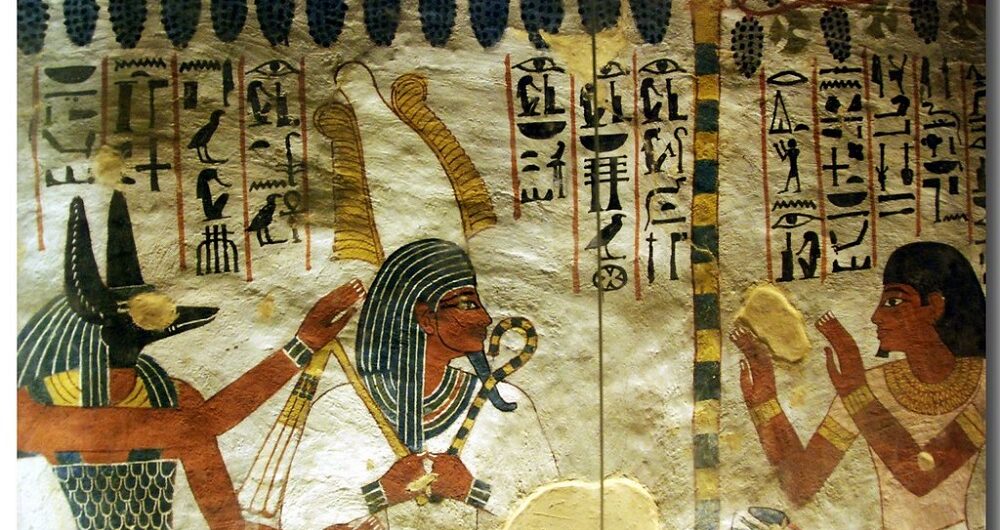
Tomb of Sennefer | TT96 the tomb of the vineyards | Valley of Nobles Frankly speaking, if you are in Luxor and have time make sure you do not miss the tomb of Sennefer. Sennefer’s tomb is one of the most beautiful tombs in the Valley of Nobles on Luxor west bank. TT96 is known