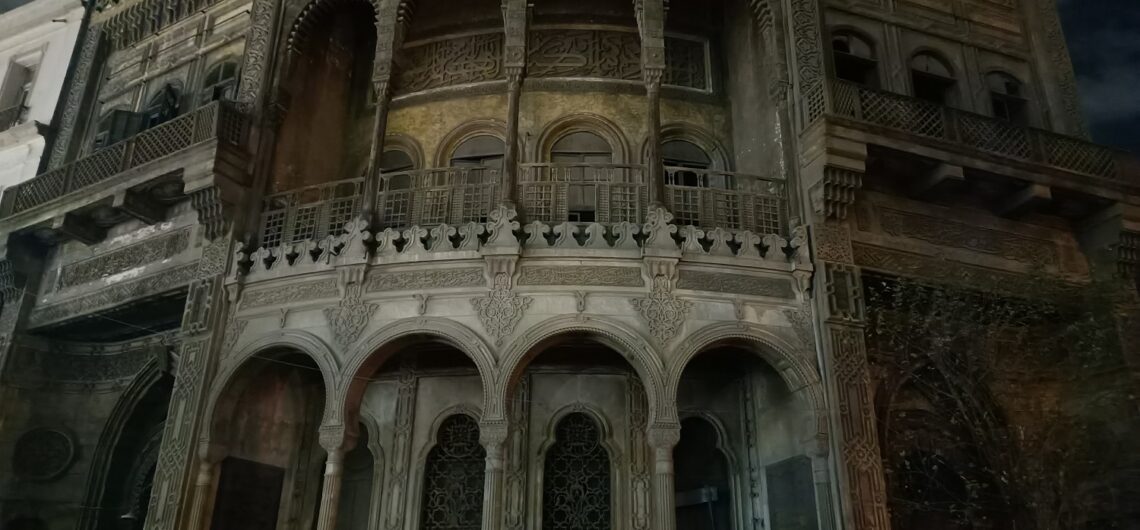
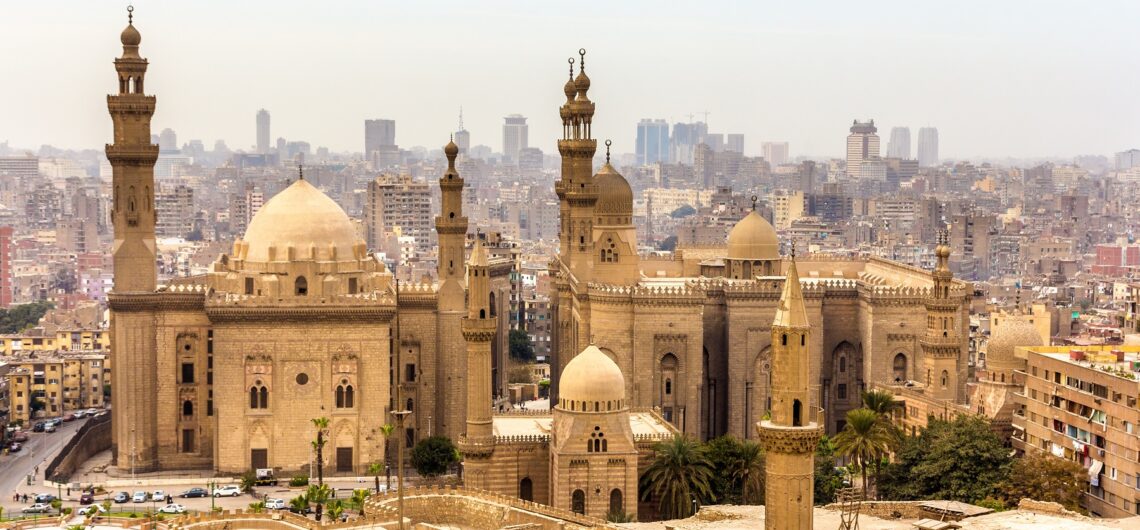
Egypt offers a lot of archeological sites during your Egypt vacation packages to discover. In fact, Giza has a lot to offer such as Dahshour Pyramids, Memphis, and Saqqara Step Pyramid complex. Also, Cairo has a lot to offer such as Museums, Old Cairo, Islamic Cairo, Cairo Citadel and Arafet El Mamaleek. Besides, Egypt archeological sites in El Minya such as Tuna El Gabel, El Ashmounin, and Beni Hassan tombs.
Over all, Luxor has plenty of sights like Valley of the Kings, Valley of the Queens, Karnak temple, and Luxor temple. Then Aswan offers the magnifiecent Philae temple, Aswan High Dam, Abu Simbel and Edfu temple.
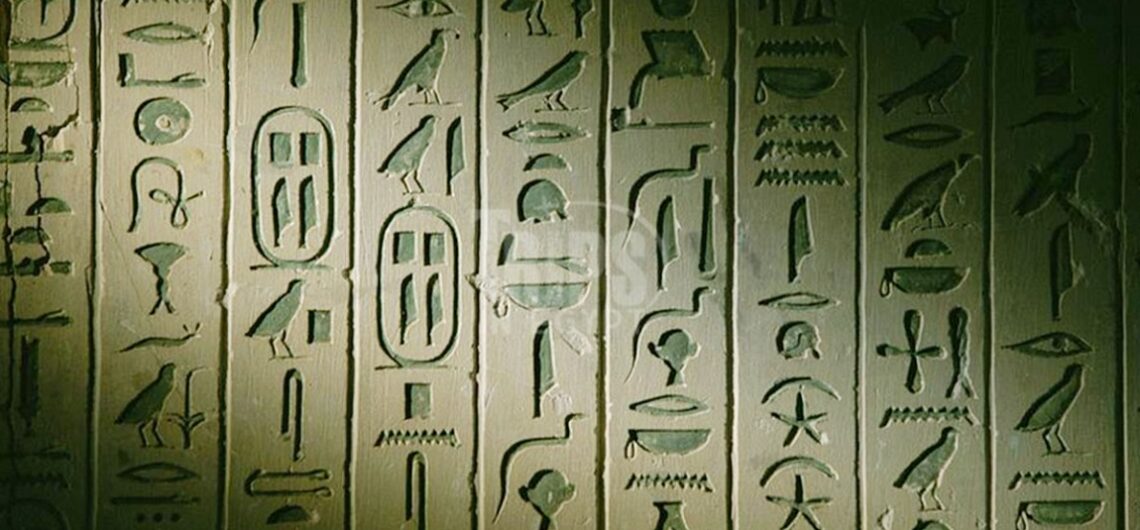
Pyramid of Unas in Saqqara: Complete Guide and Mysteries The Pyramid of Unas, located in the ancient necropolis of Saqqara, is one of the most captivating monuments in ancient Egypt. Although it is the smallest pyramid built during the Old Kingdom, its historical and spiritual significance is monumental, marking a definitive turning point in funerary architecture and religious literature. The Builder: Pharaoh Unas Pharaoh Unas was the final ruler of the Fifth Dynasty. His reign signaled the end of an era of architectural grandeur. Unlike his predecessors, who sought immortality through colossal monuments, Unas shifted the focus toward the magical protection of the soul. His pyramid, originally named "Beautiful are the places of Unas," represents a transition where the power of the written word began to complement the power of stone. The Pyramid of Unas It is 67 square meters and is about 19 meters high, originally 44 meters. It is located in the southwest corner of the complex of Djoser The pyramid is in bad condition. It is built of local limestone and dressed with fine Tura limestone. The entrance is at the ground level in the center of the north face. It leads to a passage that ends in a vestibule The vestibule leads to an antechamber a short passage leads to three small recesses On the west of the antechamber, there is another short passage that leads to the burial chamber, which has a pointed roof The pointed roof is decorated with stars All the ceilings of the corridors, antechamber, and burial chamber are painted with yellow stars on a blue background. In both of the chambers, the pyramid text was written in bas-relief and painted on a blue-green. This color signifies the morning and the belief in rebirth. The west wall of the burial chamber was
Pyramid of Unas in Saqqara: Complete Guide and Mysteries The Pyramid of Unas, located in the ancient necropolis of Saqqara, is one of the most captivating monuments in ancient Egypt. Although it is the smallest pyramid built during the Old Kingdom, its historical and spiritual significance is monumental, marking a definitive turning point in funerary
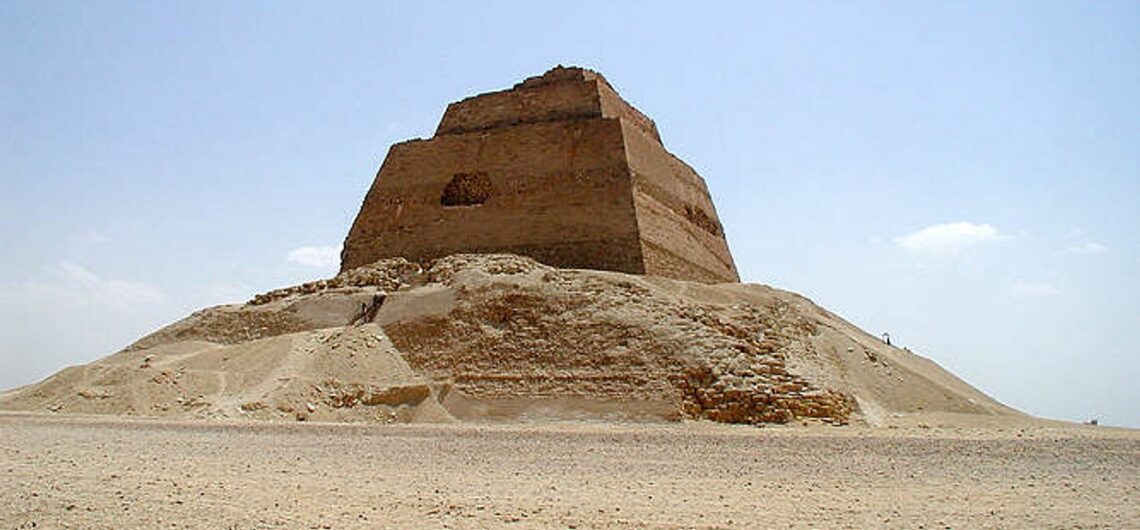
The Pyramid of Meidum: Egypt’s first "True" Masterpiece The Pyramid of Meidum represents a defining moment in the architectural evolution of ancient Egypt. Location Located on the desert’s edge near Beni Suef, this massive structure is often called the "False Pyramid" (el-haram el-kaddab). It isn't just a tomb; it is a frozen snapshot of ancient Egyptian trial and error—the exact moment when architects stopped building steps and started reaching for the smooth, slanted perfection of the heavens. Through its design and construction, the pyramid reflects both the ambition and the growing technical expertise of ancient Egyptian builders, making it a key example in the study of pyramid development. The Architect’s Laboratory: From Huni to Sneferu Most historians agree that the project began under Pharaoh Huni (the last king of the 3rd Dynasty) as a traditional step pyramid. However, it was his successor, the legendary Pharaoh Sneferu, who turned Meidum into a radical experiment. Sneferu didn't just want a bigger monument; he wanted a different one. He ordered his builders to "fill in" the steps with high-quality Tura limestone, creating the first-ever true smooth-sided pyramid. This transition is the most significant pivot in the history of Ancient Egyptian architecture. Why Does It Look Like a Tower? Visitors today are often struck by Meidum's bizarre appearance. It looks less like a pyramid and more like a three-tiered fortress rising from a mountain of debris. For decades, the "Catastrophe Theory" suggested the pyramid collapsed during construction. Modern research, however, paints a different picture. The "collapse" was likely a slow-motion event caused by: Foundational Shifts: Unlike the Giza pyramids, which sit on solid bedrock, Meidum’s outer casing was built on a layer of sand and rubble. Quarrying: Over millennia, local builders "recycled" the smooth limestone casing for other projects, eventually exposing the internal core
The Pyramid of Meidum: Egypt’s first “True” Masterpiece The Pyramid of Meidum represents a defining moment in the architectural evolution of ancient Egypt. Location Located on the desert’s edge near Beni Suef, this massive structure is often called the “False Pyramid” (el-haram el-kaddab). It isn’t just a tomb; it is a frozen snapshot of ancient
Pyramid of Teti, Saqqara Who was King Teti? King Teti was the first ruler of the 6th Dynasty, even though he was possibly the son of Unas, the last ruler of the 5th Dynasty. Pyramid of Teti is called "Teti's (cult places are enduring". though this pyramid has not endured very well. Giza Pyramids Vs Teti Pyramid While the Great Pyramids of Giza command the horizon with their sheer scale, the Pyramid of Teti in Saqqara offers a more intimate, profound encounter with Egypt’s Old Kingdom. To the casual observer, the exterior looks like a weathered hill of limestone, but this Sixth Dynasty monument (c. 2345 BC) holds its greatest treasures beneath the surface. Teti Pyramid Complex The Pyramid of Teti The pyramid is built of small blocks of local limestone, and the outer case is covered by fine Tura limestone. The present height of the pyramid is 20 meters, and is 65 square meters. The entrance is at the ground level of the center of the pyramid to the north side. A Design for the Afterlife Architecturally, Teti’s pyramid represents the peak of a specific structural evolution. Though its outer casing of fine white limestone was stripped away by ancient builders, the internal blueprint remains a masterpiece of precision. The layout follows a calculated ritual path: The Descending Corridor: The entrance led to a passage that descends to a vestibule. The vestibule leads to an antechamber. On the northeast side of the pale chamber was a recess. On the west side is the burial chamber that contained a basalt sarcophagus. Both of these rooms had gabled ceilings made from three layers, and the level of the three layers was slightly above the base of the pyramid. The walls of the burial chamber are covered with limestone. In addition, both
Pyramid of Teti, Saqqara Who was King Teti? King Teti was the first ruler of the 6th Dynasty, even though he was possibly the son of Unas, the last ruler of the 5th Dynasty. Pyramid of Teti is called “Teti’s (cult places are enduring”. though this pyramid has not endured very well. Giza Pyramids Vs
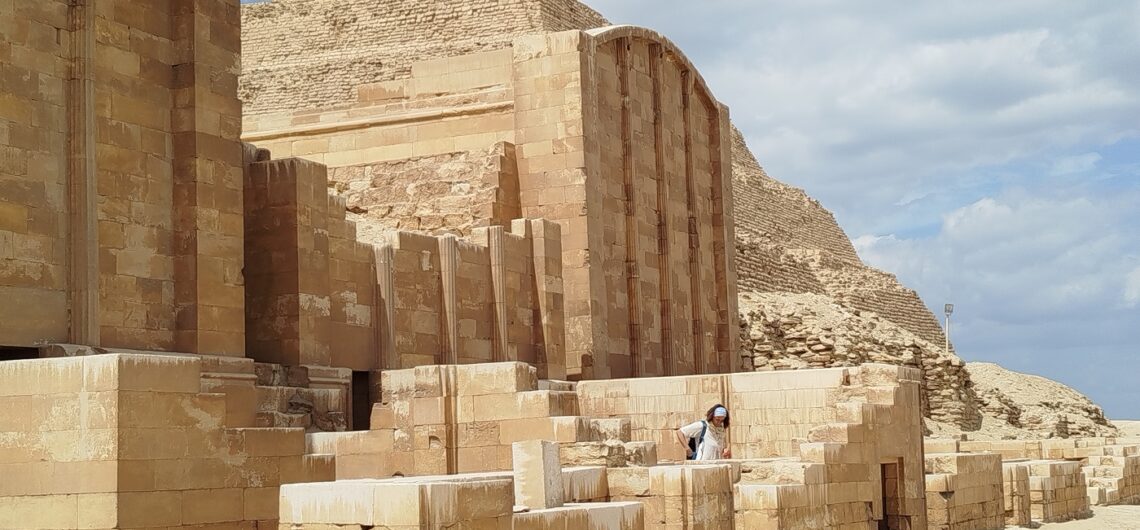
Saqqara Step Pyramid Complex of Djoser This funerary complex was built by King Zoser; he is a famous king of the 3rd dynasty, other than his other tomb in Beit Khalaf (Abydos). His vizier Imhotep designed and built the complex for King Zoser. The complex of Saqqara is the oldest building that was built of stone. The Site of Saqqara The site of Saqqara was selected by Imhotep, which over looking to Memphis. Saqqara was named after the god Sokar, the god of the cemetery. Saqqara was the ancient necropolis of Memphis, the capital of the Old Kingdom. Saqqara lies to the west of Memphis. It is 7 km long. It extended from Abu Rawash in the north to Meidum in the south. It was divided into many necropolises, such as Giza north, Giza south, Abu Sir, Abu Ghurab, etc. Probably the name Saqqara is derived from the name of Sokar, who was the god of the cemetery. It is divided into two sections: north and south. The cemetery of Saqqara had been used since the Archaic Period, when the kings of the first dynasty erected their tombs there. Imhotep, his name means the man who is coming. Imhotep was not only the vizier of King Zoser, but he was also his chief architect. He was deified in the 26 dynasty. In the Greco-Roman period, he was associated with God Asclepios, God of Medicine; as a result, he became worshipped as the god of medicine and healing. He was also an astronomer. Like his predecessors, he had two tombs; the first one is a memorial mastaba at Beit Khallaf, south of Gerga, and the second one is the Step Pyramid at Saqqara. His name was found inscribed on a famous stela known as the "famine stela," which dates back to
Saqqara Step Pyramid Complex of Djoser This funerary complex was built by King Zoser; he is a famous king of the 3rd dynasty, other than his other tomb in Beit Khalaf (Abydos). His vizier Imhotep designed and built the complex for King Zoser. The complex of Saqqara is the oldest building that was built of
Sabil-Kuttab of Um Mohamed Ali Al-Sagir Cairo | history, facts, description The Sabil-Kuttab of Um Mohamed Ali Al-Sagir Cairo is one of about 300 Sabils were standing one day in Egypt. Sabils were charitable water fountains combined with Quranic schools known as Kuttab. In this article, we will explain about the history and the facts about one of the Ottoman Sabils and the Islamic architecture. Where is the Sabil-Kuttab of Um Mohamed Ali Al-Sagir? The Sabil (charitable water fountain) is located behind Al-Fath Mosque near Ramesses Square and at the beginning of El Gomhoureya street in downtown Cairo. When the Sabil-Kuttab of Um Mohamed Ali Al-Sagir was built? The Sabil-Kuttab of Um Mohamed Ali Al-Sagir was built in 1869 The purpose of building the Sabil of Um Mohamed Ali Al Sagir The purpose of building the Sabils in general were to supply water for free communities and passersby. Ziba Kaden built that sabil to be dedicated to the soul of departed loved son and to be Sadaqah jariyah. The Mamluk sultans were the first to take care of building the Sabils, and gave them their care, and endowed them with extensive endowments. Sultan Qaitbay decided that the water should be fresh and from the Nile, and must be available throughout the year, summer and winter, especially in the summer when water consumption increases. The Mamluk sultan Al Ghory ordered to pass one thousand dirhams monthly to buy fresh water from the blessed water of the Nile, distributed evenly throughout the days of the month. Moreover, the Sabils were not only to water the people but the animals also. The Mamluk era knew many endowed water basins to water the animals. The Oldest Sabil in Egypt? The oldest Sabil till now in Cairo is for Al-Nasser Muhammad ibn Qalawun which is
Sabil-Kuttab of Um Mohamed Ali Al-Sagir Cairo | history, facts, description The Sabil-Kuttab of Um Mohamed Ali Al-Sagir Cairo is one of about 300 Sabils were standing one day in Egypt. Sabils were charitable water fountains combined with Quranic schools known as Kuttab. In this article, we will explain about the history and the facts
Sultan Hassan Madrassa and Mosque in Cairo, Egypt | Plan, Design, History, Facts About the mosque Sultan Hassan Madrasa and Mosque in Cairo Egypt is the jewel of Islamic architecture in the East, the most consistent and harmonious monument of Islamic Cairo. It represents the stage of maturity of Mamluk architecture. The mosque was built by Sultan Al-Nasir Hassan Ibn Al-Nasser Muhammad Ibn Qalawun during the era of the Bahri Mamluk rule of Egypt. Sultan Hassan mosque was considered and still is still considered one of the most impressive historic monuments in Cairo today. Sultan Hassan Madrassa and Mosque Location The mosque of Sultan Hassan is located in Salah al-Din Square in the historic district of Cairo, Egypt. Who was Sultan Hassan who built the mosque and the madrasa? December 18 of the year 1347 AD, Sultan Hassan took over the rule of Egypt, one of the most prominent Mamluk sultans. Sultan Hassan is considered the nineteenth king of Egypt from the Turkish Mamluks, and the seventh of the sons of Al-Nasser Muhammad Ibn Qalawun. He took over the Sultanate twice, one of them in the year 2347 when he was 13 years old at the time. Then he took over again in the year 1354 AD after being imprisoned for three years. Sultan Al-Nasser Hassan Ibn Al-Sultan Al-Malik Al-Nasser Muhammad Ibn Al-Sultan Al-Malik Al-Mansur Qalawun. Sultan Hassan began to act as a true sultan after the period of tutelage ended and he reached the age of majority. But after a few months, the scene that was frequently repeated in the Mamluk era occurred, which is the struggle of the princes over power. As a result, Sultan Hassan was arrested and imprisoned. His brother "Saleh", who was called the good king Salah al-Din Saleh followed him. Sooner, the war broke
Sultan Hassan Madrassa and Mosque in Cairo, Egypt | Plan, Design, History, Facts About the mosque Sultan Hassan Madrasa and Mosque in Cairo Egypt is the jewel of Islamic architecture in the East, the most consistent and harmonious monument of Islamic Cairo. It represents the stage of maturity of Mamluk architecture. The mosque was built