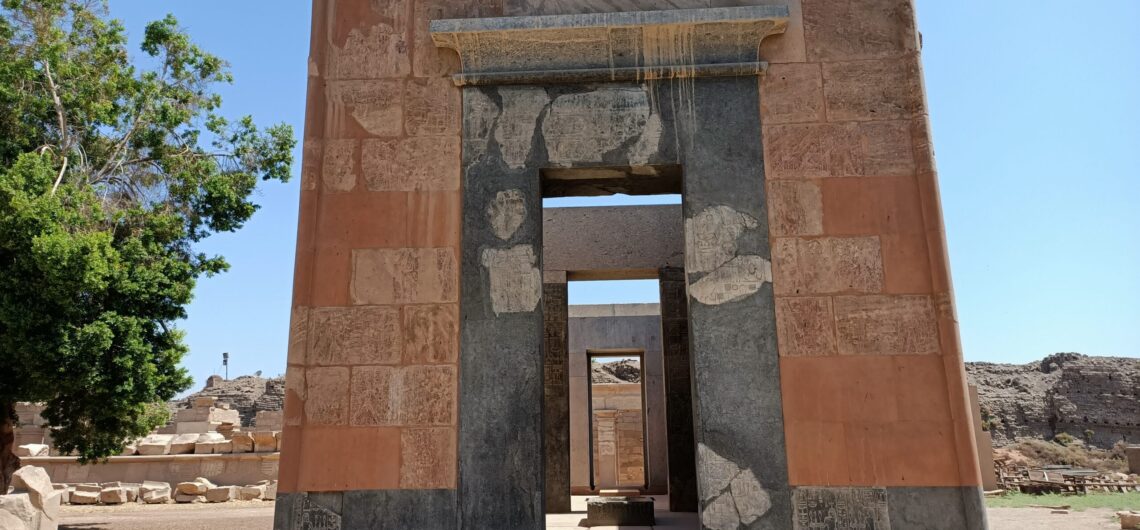
The Red Chapel of Hatshepsut in Karnak temple Luxor Egypt Facts, History, Layout | Architectural Design, inscriptions & decorations and more about Egypt Temples in Open-Air Museum Karnak. One of the top tourist attractions is the Red Chapel of Hatshepsut at the Open-Air Museum, Karnak temple, Luxor. We will introduce in briefly About Hatshepsut and why she is very famous in ancient Egyptian History. Meanwhile, her red chapel at Karnak has a very unique Barque shrine and it is so important. All Egypt tour packages or Nile Cruises include Karnak temple in the itinerary. However, Egypt tours, and Luxor Tours from Hurghada and Marsa Alam include the temple as a source of information about the Ancient Egyptian civilization during the New Kingdom. Who was Pharoah Hatshepsut? Hatshepsut was the fifth Pharoah of the eighteenth dynasty of ancient Egyptian history. Meanwhile, one of the most successful Egyptian Pharaohs such as Ramesses II, Thutmose III, and Akhenaten. Queen Hatshepsut was the daughter of Pharoah Thutmose I with his royal wife Ahmose and half-sister of Pharoah Thutmose II. Hatshepsut’s name means Foremost of Noble Ladies. Although, she is the only female character who ruled Egypt for a very long time almost 23 years. Together with two more Great Female Rulers of Ancient Egypt Merneith (2nd dynasty) and Sobekneferu (12th dynasty). Hatshepsut was the second historically confirmed female pharaoh after Sobekneferu. Queen Hatshepsut has a very nice tomb in the Valley of the Kings KV 20 as a Pharoah and is believed by many Egyptologists to have been the oldest in the Valley of the Kings. Meanwhile, Hatshepsut added parts to Luxor temple, and her temple at Deir El Bahari together with her Obelisks are among Karnak highlights. How to get to the Red Chapel of Hatshepsut? If you are visiting the Karnak temple,
The Red Chapel of Hatshepsut in Karnak temple Luxor Egypt Facts, History, Layout | Architectural Design, inscriptions & decorations and more about Egypt Temples in Open-Air Museum Karnak. One of the top tourist attractions is the Red Chapel of Hatshepsut at the Open-Air Museum, Karnak temple, Luxor. We will introduce in briefly About Hatshepsut and
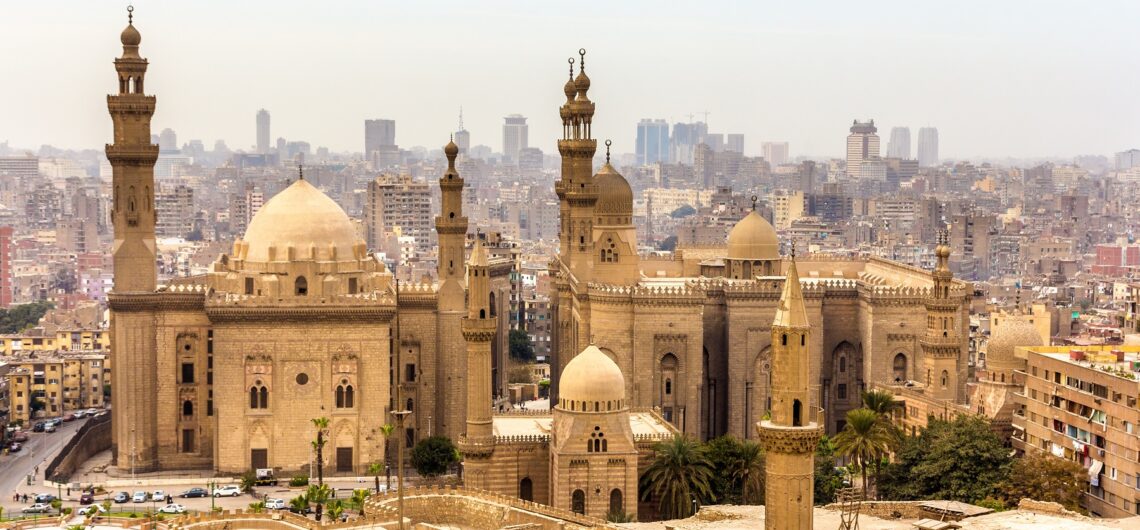
Sultan Hassan Madrassa and Mosque in Cairo, Egypt | Plan, Design, History, Facts About the mosque Sultan Hassan Madrasa and Mosque in Cairo Egypt is the jewel of Islamic architecture in the East, the most consistent and harmonious monument of Islamic Cairo. It represents the stage of maturity of Mamluk architecture. The mosque was built by Sultan Al-Nasir Hassan Ibn Al-Nasser Muhammad Ibn Qalawun during the era of the Bahri Mamluk rule of Egypt. Sultan Hassan mosque was considered and still is still considered one of the most impressive historic monuments in Cairo today. Sultan Hassan Madrassa and Mosque Location The mosque of Sultan Hassan is located in Salah al-Din Square in the historic district of Cairo, Egypt. Who was Sultan Hassan who built the mosque and the madrasa? December 18 of the year 1347 AD, Sultan Hassan took over the rule of Egypt, one of the most prominent Mamluk sultans. Sultan Hassan is considered the nineteenth king of Egypt from the Turkish Mamluks, and the seventh of the sons of Al-Nasser Muhammad Ibn Qalawun. He took over the Sultanate twice, one of them in the year 2347 when he was 13 years old at the time. Then he took over again in the year 1354 AD after being imprisoned for three years. Sultan Al-Nasser Hassan Ibn Al-Sultan Al-Malik Al-Nasser Muhammad Ibn Al-Sultan Al-Malik Al-Mansur Qalawun. Sultan Hassan began to act as a true sultan after the period of tutelage ended and he reached the age of majority. But after a few months, the scene that was frequently repeated in the Mamluk era occurred, which is the struggle of the princes over power. As a result, Sultan Hassan was arrested and imprisoned. His brother "Saleh", who was called the good king Salah al-Din Saleh followed him. Sooner, the war broke
Sultan Hassan Madrassa and Mosque in Cairo, Egypt | Plan, Design, History, Facts About the mosque Sultan Hassan Madrasa and Mosque in Cairo Egypt is the jewel of Islamic architecture in the East, the most consistent and harmonious monument of Islamic Cairo. It represents the stage of maturity of Mamluk architecture. The mosque was built